Jadau Jewellery technique
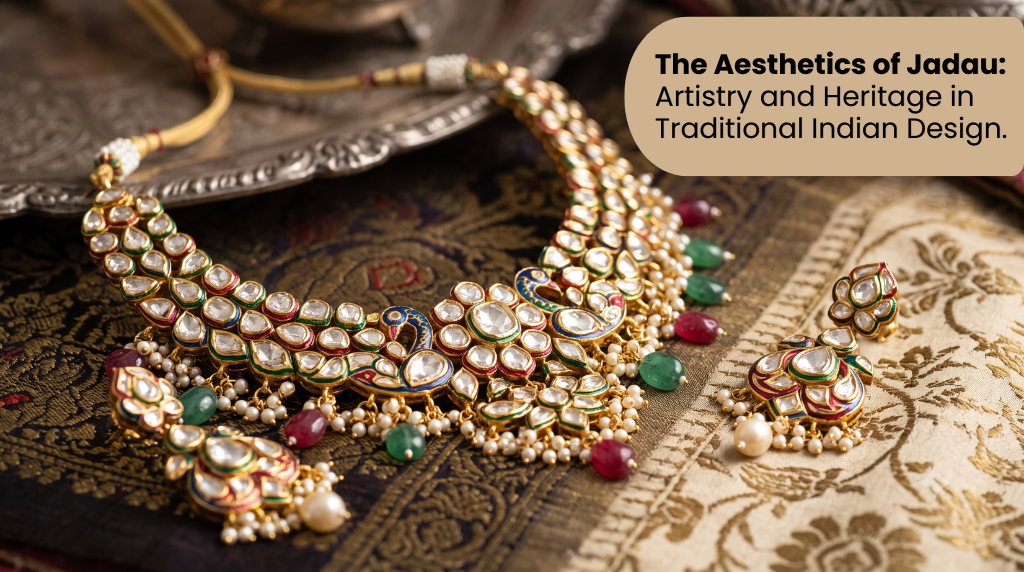
Jadau is a renowned and intricate jewelry-making technique that has been a symbol of luxury and tradition in India for centuries. Famous for its detailed craftsmanship, this technique involves setting uncut gemstones into gold without the use of prongs or holes. Below is a detailed exploration of Jadau jewelry, its history, crafting process, and contemporary appeal.
History and Origins of Jadau Jewelry
- Mughal Influence: Jadau originated during the Mughal era in the 16th century, introduced to India by Mughal emperors. The craft combined Persian, Turkish, and Indian design elements, creating a distinct style that was luxurious and intricate.
- Cultural Heritage: The word "Jadau" comes from the Persian word "Jadaw", meaning "to set" or "to embed," referring to the method of embedding gemstones in gold without the use of holes or prongs.
The Crafting Process of Jadau Jewelry
- Base Creation: The process starts with creating a base, often made of 22K or 24K gold, which is intricately designed to hold the gemstones.
- Gemstone Setting: Artisans then embed the gemstones—such as diamonds, rubies, emeralds, or sapphires—by melting small amounts of gold to create settings around each stone, without drilling holes. This requires extraordinary precision and expertise.
- Labor-Intensive Craftsmanship: The entire process is labor-intensive, often taking several days or even weeks, depending on the complexity of the design.
Key Features of Jadau Jewelry
- Polki Diamonds: One of the most distinctive features of Jadau jewelry is the use of uncut diamonds, known as polki diamonds. These diamonds retain their natural, raw appearance, which gives the jewelry a rustic and antique charm.
- Other Gemstones: Besides polki diamonds, Jadau often incorporates other precious stones, such as emeralds, rubies, sapphires, and pearls, arranged in elaborate patterns.
- Intricate Motifs: The designs often feature motifs inspired by Mughal art, nature, and Indian culture, including florals, paisleys, birds, and geometric patterns.
Also Must Read Related Articles - POLKI Jewellery
- Jadau Jewelry in Modern Times
- Royalty and Tradition: Historically, Jadau jewelry was worn by Indian royalty, particularly during weddings and important celebrations. Today, it remains a popular choice for brides and is often seen at traditional and cultural events.
- Contemporary Fusion: While Jadau jewelry maintains its traditional crafting techniques, modern designers are incorporating contemporary elements and newer technologies to appeal to a broader audience.
- Timeless Appeal: The blend of ancient craftsmanship and luxurious design ensures that Jadau jewelry continues to be cherished as a symbol of elegance and opulence.
- Why Choose Jadau Jewelry?
- Unique and Timeless: Each Jadau piece is unique due to the craftsmanship involved, making it a perfect heirloom that can be passed down through generations.
- Luxurious Aesthetic: With its intricate gemstone setting and luxurious appeal, Jadau jewelry stands out as a statement piece for any occasion.
- Cultural Significance: Wearing Jadau jewelry connects the wearer to a rich cultural heritage and a history of royal craftsmanship.
Jadau is not just jewelry; it’s an embodiment of India’s rich artistic traditions and royal heritage. From the skillful embedding of uncut stones to the intricate designs that have stood the test of time, Jadau continues to captivate and remain a prized possession in the world of traditional Indian jewelry.
Articles and blogs related to Gems & Jewellery
For more articles blogs checkout www.dreamsanimatedstudios.com
Facebook: Link
#Jadau Jewellery Technique